AI NPCs: How Intelligent Characters Are Creating the Future of Immersive Gaming

Non-player characters (NPCs) have always played an important role in video games. They provide quests, guide players through worlds, create challenges, and make game environments feel alive. However, traditional NPCs have often been limited by scripted dialogue, predictable behaviors, and fixed responses.
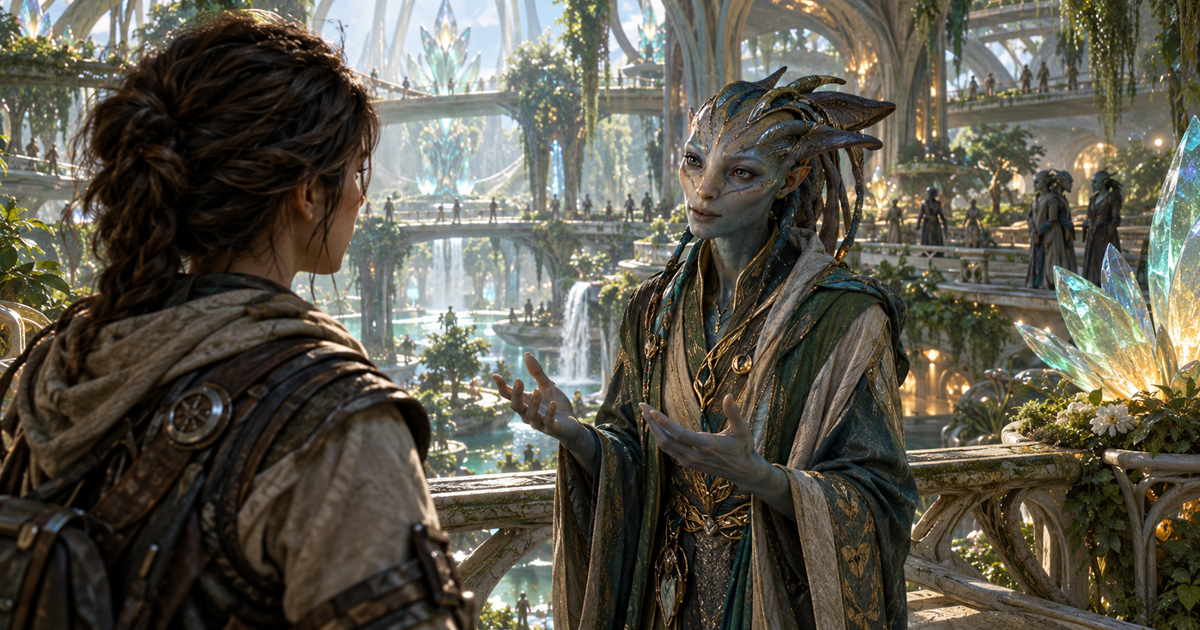
With the development of artificial intelligence, a new generation of AI NPCs is transforming how players interact with virtual characters. Powered by AI agents, machine learning, natural language processing, and long-term memory systems, AI NPCs can understand players, adapt to situations, and create more dynamic experiences.
For game developers, AI NPC technology represents a major opportunity to build more immersive worlds, increase player engagement, and create characters that feel closer to real companions.
What Are AI NPCs?
AI NPCs are non-player characters enhanced with artificial intelligence capabilities that allow them to make decisions, communicate naturally, and adapt their behavior based on player interactions.
Traditional NPCs usually depend on:
- Pre-written dialogue
- Fixed behavior patterns
- Limited decision trees
- Scripted events
While these systems have powered successful games for decades, they can struggle to provide unique experiences for every player.
AI NPCs introduce a more flexible approach by enabling characters to:
- Understand natural language
- Remember previous conversations
- Adapt to player choices
- Change behavior based on context
- Develop unique interaction patterns
Instead of simply following scripts, AI NPCs can respond intelligently to the evolving game environment.
Why AI NPCs Are Changing Game Design
Modern players expect game worlds to feel more realistic and interactive.
In open-world and role-playing games especially, players want characters that:
- React naturally
- Remember past actions
- Have unique personalities
- Provide meaningful conversations
- Create unexpected experiences
Traditional NPC systems require developers to manually create thousands of possible interactions. As game worlds become larger, this approach becomes increasingly difficult and expensive.
AI NPCs allow developers to create dynamic characters that can generate new interactions without requiring every scenario to be manually designed.
AI NPCs vs Traditional NPCs
The difference between traditional NPCs and AI-powered NPCs comes down to intelligence and adaptability.
Traditional NPCs
Traditional NPCs typically rely on:
- Rule-based logic
- Predefined dialogue trees
- Fixed animations
- Limited behavioral options
For example, a village character may always provide the same dialogue every time a player interacts with them.
AI NPCs
AI NPCs use advanced technologies such as:
- Large language models
- Machine learning
- Memory systems
- Behavior modeling
- Autonomous AI agents
They can:
- Generate unique conversations
- Adjust responses based on context
- Remember previous interactions
- Change their behavior over time
This creates characters that feel more alive and personalized.
Key Applications of AI NPCs in Games
AI NPC technology can improve many areas of game development and player experience.
1. Creating Human-Like Game Characters
One of the biggest advantages of AI NPCs is their ability to create more realistic characters.
Instead of repeating the same lines, AI NPCs can:
- Hold natural conversations
- Express different personalities
- Respond emotionally
- Understand player intentions
For example, an AI companion in an adventure game could remember how a player treated them earlier and adjust future interactions accordingly.
This creates stronger emotional connections between players and virtual characters.
2. AI NPCs With Memory
Memory is one of the most important features separating advanced AI NPCs from traditional characters.
A character with memory can remember:
- Previous conversations
- Player decisions
- Completed missions
- Relationship history
- Preferred play styles
Long-term memory allows NPCs to maintain continuity across multiple gaming sessions.
This can make virtual relationships feel more meaningful because characters can evolve alongside the player.
3. Dynamic Storytelling
AI NPCs can support new approaches to storytelling.
Traditional games often use branching dialogue systems where developers manually write every possible outcome.
AI-powered characters can create more flexible narratives by:
- Generating contextual dialogue
- Reacting to unexpected player choices
- Creating personalized story moments
- Supporting emergent gameplay
This enables game worlds where stories develop naturally through player interactions.
4. More Engaging Multiplayer Experiences
AI NPCs are not limited to single-player games.
In multiplayer environments, AI characters can:
- Fill missing roles
- Support new players
- Provide training experiences
- Create additional social interactions
For example, an AI teammate could help beginners learn game mechanics while adapting its assistance as the player improves.
Technologies Behind AI NPCs
Modern AI NPC systems combine several technologies to create intelligent behavior.
Large Language Models (LLMs)
Large language models enable NPCs to understand and generate natural conversations.
With LLM technology, AI NPCs can:
- Process player questions
- Generate realistic dialogue
- Maintain conversational context
- Support multiple interaction styles
However, LLMs alone are not enough for complete game characters. They need to work together with game logic, memory systems, and behavior controls.
AI Agents
AI agents provide the decision-making layer behind intelligent NPCs.
An AI agent can:
- Observe the game environment
- Evaluate possible actions
- Select appropriate behaviors
- Execute decisions in real time
This allows NPCs to do more than talk — they can actively participate in gameplay.
Memory Systems
Memory allows AI NPCs to maintain continuity.
A powerful AI NPC system can store and retrieve important information such as:
- Player preferences
- Past events
- Character relationships
- World changes
This helps create persistent characters that evolve over time.
Benefits of AI NPCs for Game Developers
For game studios, AI NPCs provide several important advantages.
Increased Player Immersion
Players become more connected to games when characters respond naturally and remember interactions.
AI NPCs help create worlds that feel:
- More realistic
- More reactive
- More personalized
Higher Player Retention
Engaging characters encourage players to spend more time inside game worlds.
Dynamic conversations and evolving relationships can increase replay value and long-term engagement.
Reduced Content Production Costs
Creating large amounts of dialogue and branching interactions requires significant resources.
AI NPC systems can help developers expand content possibilities while reducing the need for manually creating every conversation.
More Scalable Game Worlds
As games become larger, developers need solutions that can support thousands of intelligent characters.
AI NPC platforms allow studios to build:
- Large populations of interactive characters
- Persistent virtual worlds
- Complex social simulations
Challenges of Building AI NPCs
Although AI NPCs provide exciting possibilities, developers must solve several challenges.
Maintaining Character Consistency
AI characters need to remain consistent with their personalities and roles.
Developers need systems that control:
- Character goals
- Behavior boundaries
- Knowledge limitations
- Narrative alignment
Real-Time Performance
Games require fast responses.
AI NPC systems must provide:
- Low-latency interactions
- Reliable performance
- Efficient resource usage
This is especially important in multiplayer environments with many simultaneous players.
Balancing AI Freedom and Game Design
Too much AI freedom can create unpredictable experiences that do not match the intended game design.
Successful AI NPC systems balance:
- Creative interactions
- Developer control
- Gameplay objectives
The Future of AI NPCs
AI NPCs are expected to become a core feature of future games.
Future AI characters may include:
- Persistent companions with long-term memory
- Fully conversational characters
- AI-driven quest creators
- Personalized story partners
- Autonomous characters living in virtual worlds
As AI technology continues to improve, NPCs will move beyond being background elements and become active participants in game experiences.
Conclusion
AI NPCs are redefining what game characters can become. By combining AI agents, natural language processing, memory systems, and adaptive behaviors, developers can create characters that feel intelligent, responsive, and unique.
From immersive storytelling to personalized gameplay experiences, AI NPCs offer a powerful way to build the next generation of interactive worlds.
As players continue to demand deeper connections with virtual environments, AI-powered characters will become one of the most important technologies shaping the future of gaming.