How AI Teammates Build Confidence for New Game Players

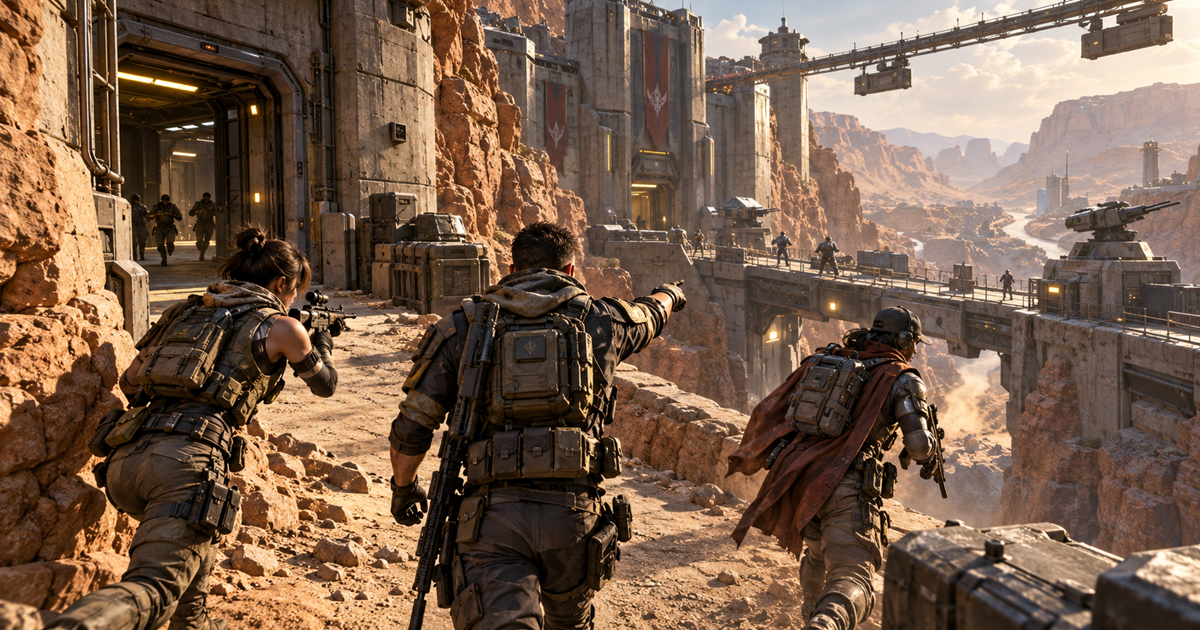
New players entering multiplayer games frequently feel anxious before they even join a match. Many beginners worry about making mistakes, underperforming, and letting random human teammates down. This psychological friction contributes heavily to early-session churn. AI teammates for new players are more than simple slot-fillers for matchmaking. When thoughtfully designed, they function as confidence-building companions that lower social pressure and help new users grow comfortable with team-based gameplay.
This is a distinct design goal compared with using bots purely to fill lobbies or serve as general-purpose onboarding opponents. Confidence-focused AI teammates prioritize the beginner's emotional experience, not merely keeping a match technically playable. Poorly configured AI teammates can, conversely, frustrate new users and defeat their own purpose.
What Makes a Confidence-Building AI Teammate
A confidence-building AI teammate follows a core design principle: support the new player without taking over the game.
Its primary job is to reduce pressure rather than single-handedly win every match. Key behavioral traits include:
- Supporting the new player's actions instead of carrying the team: The bot backs up the user's choices rather than ignoring them to secure victory on its own.
- Tolerating beginner-level mistakes without negative in-game reactions: It does not abandon the player or send signals that could seem hostile after a misplay.
- Providing subtle, non-intrusive guidance: It guides through in-game actions rather than constant pop-ups or chat spam.
These bots should still follow basic team objectives. The difference lies in how priorities are weighted: the human beginner's learning experience becomes an important part of the bot's decision-making alongside the goal of winning the match.
Behavioral Pitfalls for Beginner-Focused AI Teammates
Developers must watch for three common design traps when building AI teammates for new players.
- Pitfall 1: Overpowered AI that carries matches. If the AI teammate dominates every fight and completes all objectives alone, the human player becomes a passive spectator and gains little practical experience. Although win rates may improve temporarily, the player does not build real-world skill and may struggle when transitioning to all-human teams.
- Pitfall 2: Negative or critical bot reactions. Even nonverbal behavior can seem judgmental. For example, an AI that repeatedly retreats from a beginner after a misplay can make them feel they are failing the team. Bots should avoid actions that could be interpreted as frustration or disapproval toward the player.
- Pitfall 3: Overly complex tactical behavior. High-level coordinated maneuvers, advanced flanking, or highly specialized tactics can confuse brand-new players who are still learning core controls and map layouts. Overly sophisticated bot actions are hard to follow and provide no clear example to learn from.
Applying AI Teammates Across Different Genres
Confidence-building AI teammates can work across multiple multiplayer genres, with slightly different priorities for each style of play.
- Cooperative shooters: AI teammates can provide covering fire, revive the player, and hold nearby objectives. They avoid overly advanced tricks and keep combat scenarios simple enough for learning.
- Team-based RPGs: AI companions can draw enemy attention, provide healing, and offer backup while allowing the new player to make key combat or dialogue decisions.
- Casual multiplayer co-op: Bots fill secondary roles. They handle routine tasks so new players can focus on understanding core game loops without excessive cognitive load.
The common thread is that AI supplements, rather than replaces, the new player's agency.
Balancing Support and Player Agency
The ideal confidence-building AI gradually scales down assistance as player skill improves.
One effective design pattern is progressive reduction of support. As telemetry shows the beginner performing better—completing objectives, surviving fights, and contributing to team goals—the AI gradually provides less direct backup. Over time, the bot behaves more like a teammate of ordinary strength.
Where possible, give players simple manual controls. In-game settings can let users adjust how supportive their AI teammate will be. Options such as “more support” or “normal difficulty” give players ownership of their learning experience.
The core rule: support exists to teach, not to win matches for the user.
Metrics to Evaluate Confidence-Building Bots
Studio teams need measurable signals to validate whether confidence-building AI teammates meet their design goals. Raw match win rate is not the primary metric. Focus on player progression and retention-oriented KPIs:
- New-player session retention: Whether users return after AI-assisted matches.
- Transition rate: The share of beginners who move from AI-teammate lobbies into matches with all-human teams. This is a critical signal that players have gained enough confidence to play alongside real teammates.
- Early-session drop-off: How many new users quit during or immediately after AI-teammate matches.
- Player feedback: In-game surveys that capture how supported or pressured new players feel during team play.
High win rates paired with a very low transition rate to all-human matches are a warning sign. They suggest that the bot is carrying players rather than genuinely building their skills and confidence.
Implementation Considerations for Production
Moving prototype AI logic into a live game brings practical constraints.
Bot behavior must avoid superhuman reflexes or hidden advantages. Even in training-focused lobbies, bots should operate under the same rules that apply to human participants.
Designers need accessible tuning controls. Key parameters include support-intensity thresholds, when to dial back assistance, and limits on bot aggression. This lets teams iterate on bot behavior without rewriting large sections of agent logic.
Performance and stability also remain essential. The AI teammate must respond with low latency to fit real-time multiplayer gameplay.
GameBot supplies configurable AI-teammate tools, enabling studios to build supportive, confidence-focused bot behavior for beginners. Designers can tune support intensity and behavioral boundaries without building agent systems entirely from scratch.
Conclusion
Many new multiplayer players quit not because of difficult combat mechanics alone, but because of social anxiety about letting teammates down. Confidence-building AI teammates address this specific pain point. They offer low-pressure team practice without the stress of disappointing human partners.
Successful implementations avoid overpowered bots that carry players, judgmental reactions, and overly complex tactics. Instead, they strike a careful balance: offer support, preserve player agency, and gradually reduce assistance as players improve.
Teams should judge success not only by match outcomes but by whether new players gain enough confidence to join matches with human teammates. When designed thoughtfully, AI teammates can be a powerful tool for welcoming and retaining beginners in multiplayer games.