How AI Makes Game Characters Come to Life?

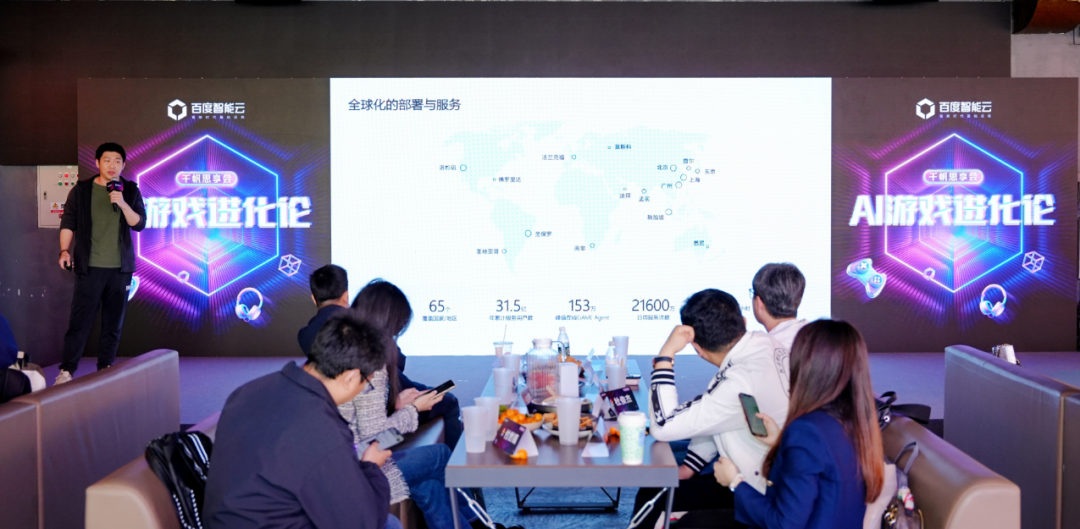
At the inaugural "Qianfan Salon · AI Gaming Evolution" hosted by Baidu AI Cloud on March 21, GameBot, a leading game agent technology provider, presented its latest advancements and operational insights in AI NPC development.
The event explored how AI is reshaping game development, interactive experiences, and commercial models, drawing participation from major industry players including NetEase, 37 Interactive Entertainment, Shiyue Network, and VAST.
01
Breathing Life into AI NPCs: From Interaction to Ecosystem
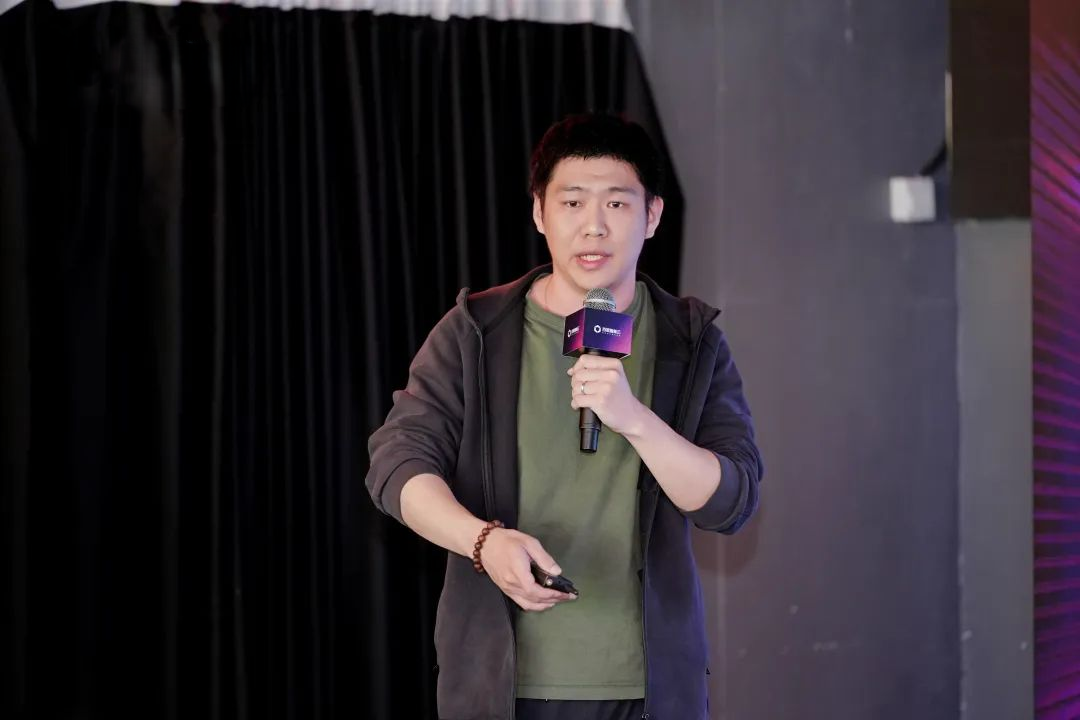
Dennis Ji, R&D Director of GameBot, noted that the core value of AI NPCs is to make virtual characters feel truly “alive”. He outlined an evolution across three stages: highly customized interactive experiences, unified action–interaction systems, and deep integration between NPCs and their surrounding game environments.
GameBot now serves millions of daily active users in more than 60 countries and powers products from industry leaders such as Tencent and miHoYo. Peak concurrent AI NPCs on the platform have already surpassed 3 million.
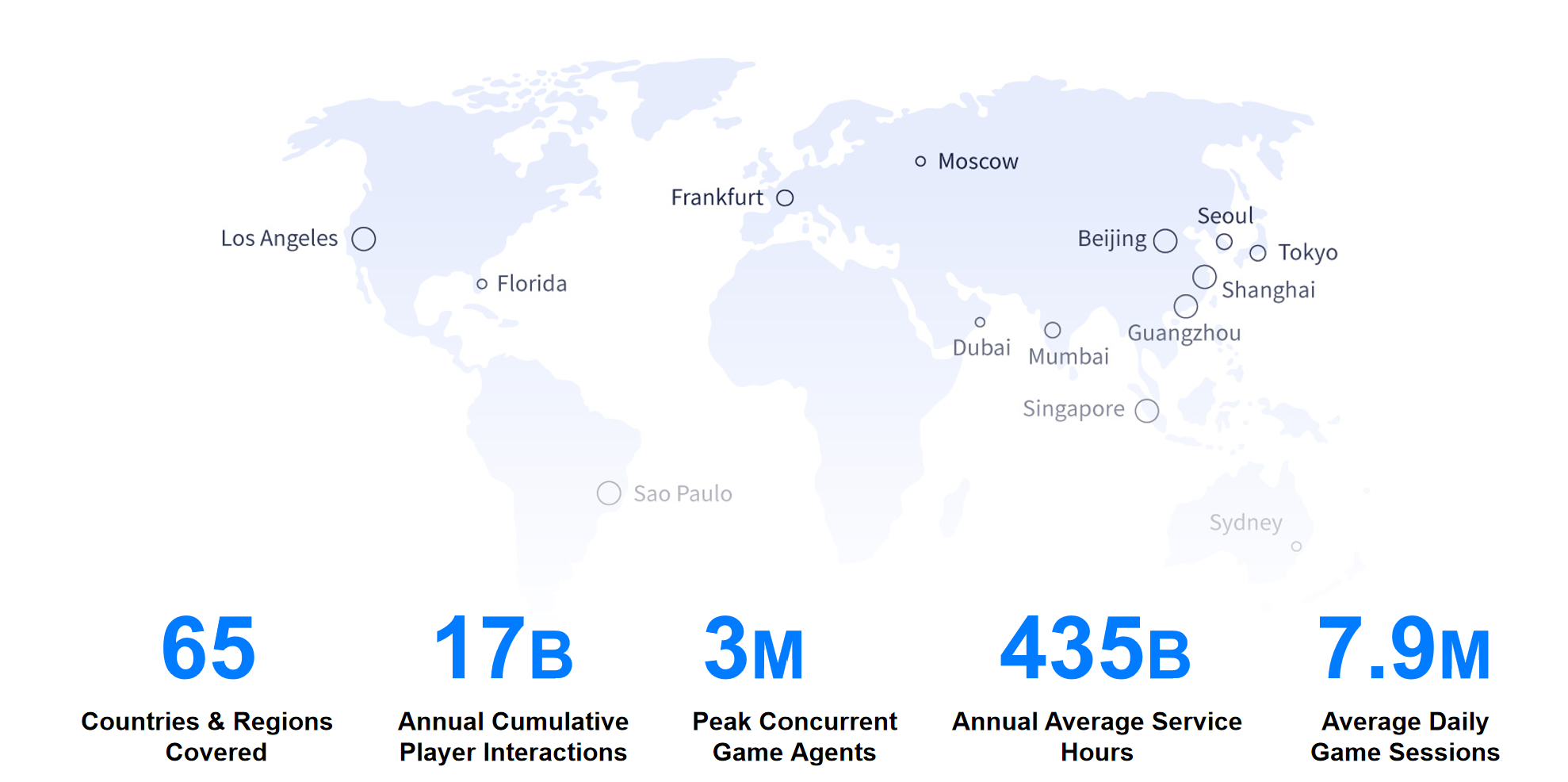
GameBot's Global Deployment and Services
Ji emphasized that an NPC’s “sense of life” emerges from autonomy and adaptability. GameBot’s proprietary Knit system enables NPCs to make dynamic decisions and respond to world events. Knit comprises two major modules:
●Soul System: defines personalities, goals, and memories that drive autonomous behavior based on internal logic.
●Environment System: models social and physical rules that influence NPC decision-making in real time.
In the Living Chang’an City demo, for example, hundreds of NPCs independently trade, socialize, and collaborate, forming a self-sustaining virtual ecosystem.
02
Technical Breakthrough: From Scripted Tools to Living Ecosystems
Traditional NPCs rely on finite state machines or decision trees, which limit behavioral variety and believability. GameBot overcomes these constraints by deeply integrating large-model technologies into its platform.
Ji shared that the introduction of LLM-based goal planning and commonsense reasoning marked a major turning point in the second stage of development. Complemented by GameBot’s proprietary dialogue engine, NPCs now exhibit more natural interactions and respond flexibly to diverse player inputs.
These advances reduce development overhead while enabling emergent storytelling—where player choices dynamically generate new narrative branches, significantly enhancing content depth and replayability.
This capability is demonstrated in GameBot-powered strategy RPG Astrobuilder, where NPC social networks evolve organically. Relationships can shift from strangers to business partners without requiring pre-scripted triggers, creating a more immersive and unpredictable world.
03
Industry Collaboration: Building a Shared Ecosystem of AI and Gaming
During the salon, partners including Baidu AI Cloud and NVIDIA underscored the importance of collaborative ecosystem development. Through ongoing cooperation, GameBot is accelerating the transformation of AI from a production tool into a form of “virtual life.”
As Ji highlighted at the event: “AI is not just a technological tool—it is a new form of life.”
With continued advancement of the Knit system and a strengthening ecosystem, games may evolve from passive entertainment into immersive co-creation experiences between players and AI. As NPCs gain persistent memories, emotions, and social connections, virtual worlds will increasingly resemble parallel societies co-constructed by humans and intelligent agents.