AI Bosses for More Engaging PVE Game Experiences

Boss fights are among the most memorable highlights of PvE games. Well-designed encounters deliver satisfying challenges, dramatic storytelling moments and meaningful milestones for players. Yet traditional scripted boss content has clear limits. Once players memorize fixed attack cycles and movement patterns, these battles become predictable. This article explores how AI bosses in PvE can create adaptive encounters, refresh combat, increase replay value and keep players invested across repeated playthroughs.
What Makes a Good PvE Boss Encounter?
A high-quality PvE boss fight balances several design goals.
It needs a meaningful challenge that tests player skill without feeling unfair. It should offer enough variety that battles do not become stale quickly. Clear, readable mechanics let players understand incoming threats and make deliberate decisions during combat. Strong replayability gives players a reason to revisit the fight in later runs.
Even with careful manual design, purely scripted bosses can struggle to meet all these goals at once, especially for players who replay content many times.
Limitations of Scripted Boss Behavior
Conventional scripted bosses follow prewritten sequences of attacks, movements and phase transitions.
This approach gives designers complete control over combat flow, but it has drawbacks. Attack patterns repeat across playthroughs. Experienced players memorize their timing and can reliably anticipate incoming moves. Reaction windows become known quantities.
After several runs, the encounter loses tension. Players are no longer responding to danger in the game; they are executing memorized routines. This reduces immersion and long-term engagement with repeatable PvE content.
How AI Can Make Bosses More Dynamic
AI-powered bosses can move beyond rigid, preset cycles. Instead of following one fixed sequence, they analyze real-time combat data to shape their behavior.
An AI boss can react to player actions, adjust its position on the battlefield, reprioritize attack types and adapt its strategy against solo players or cooperative groups. For example, it might switch to area-of-effect attacks when players cluster together or pursue ranged players who keep their distance.
Crucially, AI does not discard the boss's core mechanics. It varies how and when those mechanics activate rather than inventing entirely new abilities without warning. This keeps fights coherent while adding welcome unpredictability.
AI Bosses and Player Engagement
Greater dynamism can improve PvE engagement in several ways.
Encounters vary across attempts. No two runs against a boss need play out in exactly the same way. This improves replayability for dungeons, raids and other repeatable PvE activities.
Players must read the current state of the fight instead of recalling a memorized timeline. Decisions during combat become more meaningful, while tactical shifts help sustain tension throughout the encounter.
Adaptive Boss Difficulty
AI creates new possibilities for adaptive difficulty within boss fights.
A system can observe player performance during combat and adjust the challenge accordingly. It might reduce aggression for less-skilled parties or use more complex combinations of tactics against experienced groups.
Developers must set firm boundaries. Adaptation should not create unfair scenarios: hidden damage bonuses, instant-kill mechanics or information unavailable to players can undermine trust in PvE design. The goal is an appropriate challenge, not defeating players regardless of how well they perform.
AI Bosses in Different PvE Game Genres
AI-driven boss systems can be applied across several PvE-focused genres:
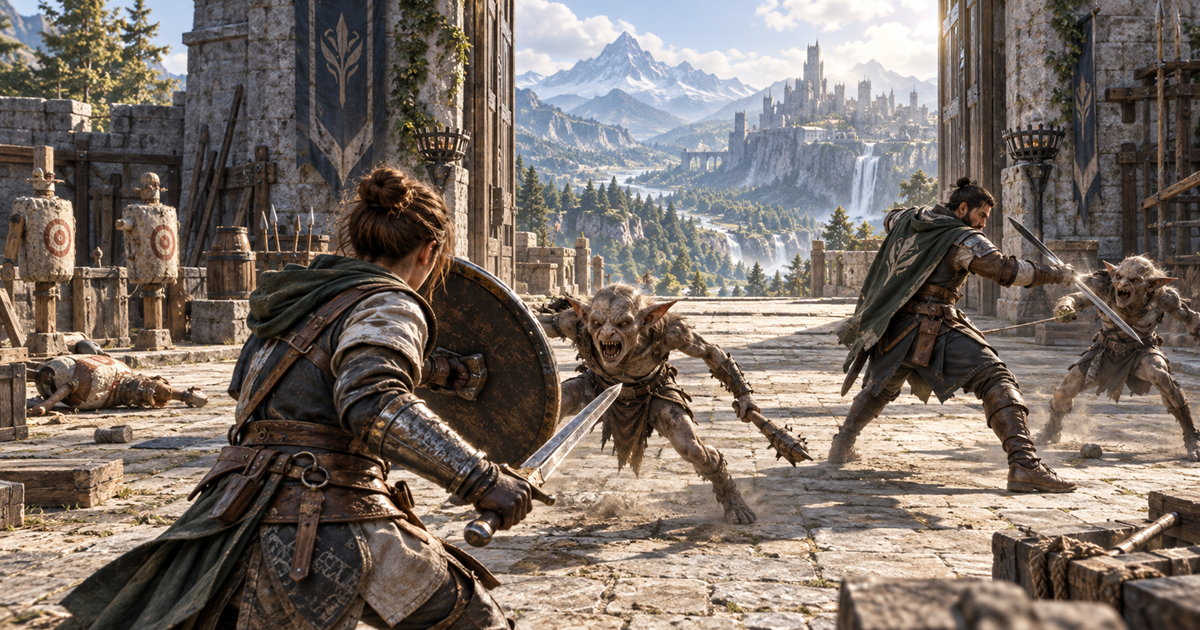
- Action games: Bosses read player dodge patterns and vary melee and ranged pressure.
- RPGs: Bosses respond to party composition and counter common player builds.
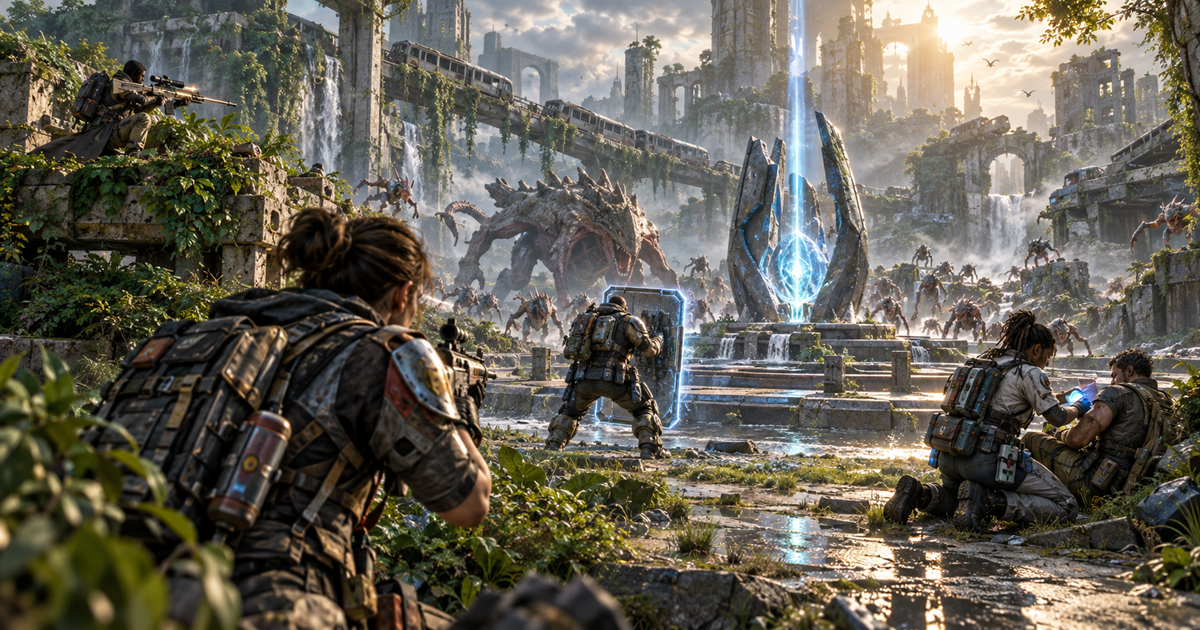
- PvE shooters: Bosses adjust their use of cover and reposition to flush out entrenched squads.
- Cooperative PvE games: Bosses alter tactics based on group size and how teammates support one another.
Each genre uses AI bosses somewhat differently, but the goal is the same: make combat respond to what players actually do.
Balancing AI With Game Design
AI can enhance boss fights, but intentional encounter design remains essential.
Developers still define each boss's core rules, abilities and phase logic. AI acts as a behavior layer over these predefined tools. It selects from an existing pool of attacks and movements rather than generating entirely new abilities.
This balance preserves each boss's narrative identity and helps prevent chaotic, untested outcomes. Designers retain creative control while gaining the benefits of adaptive behavior.
Building adaptive boss encounters requires robust, production-grade AI agent infrastructure. GameBot provides tools for studios to implement AI-controlled boss logic while designers retain oversight of abilities and behavioral boundaries. Teams can build dynamic PvE fights without developing complex real-time AI systems entirely in-house.
Conclusion
Scripted boss fights remain suitable for many PvE experiences, but they can become predictable once players learn their patterns. AI bosses offer another design approach: they respond to player choices in real time, making combat more varied and giving players more reasons to return.
Success depends on balance. AI provides an adaptive behavior layer, while human designers control core mechanics, fairness rules and character identity. When implemented thoughtfully, AI bosses can keep PvE battles fresh across repeated playthroughs and make long-term content more compelling for game communities.